Why acne can occur after 30
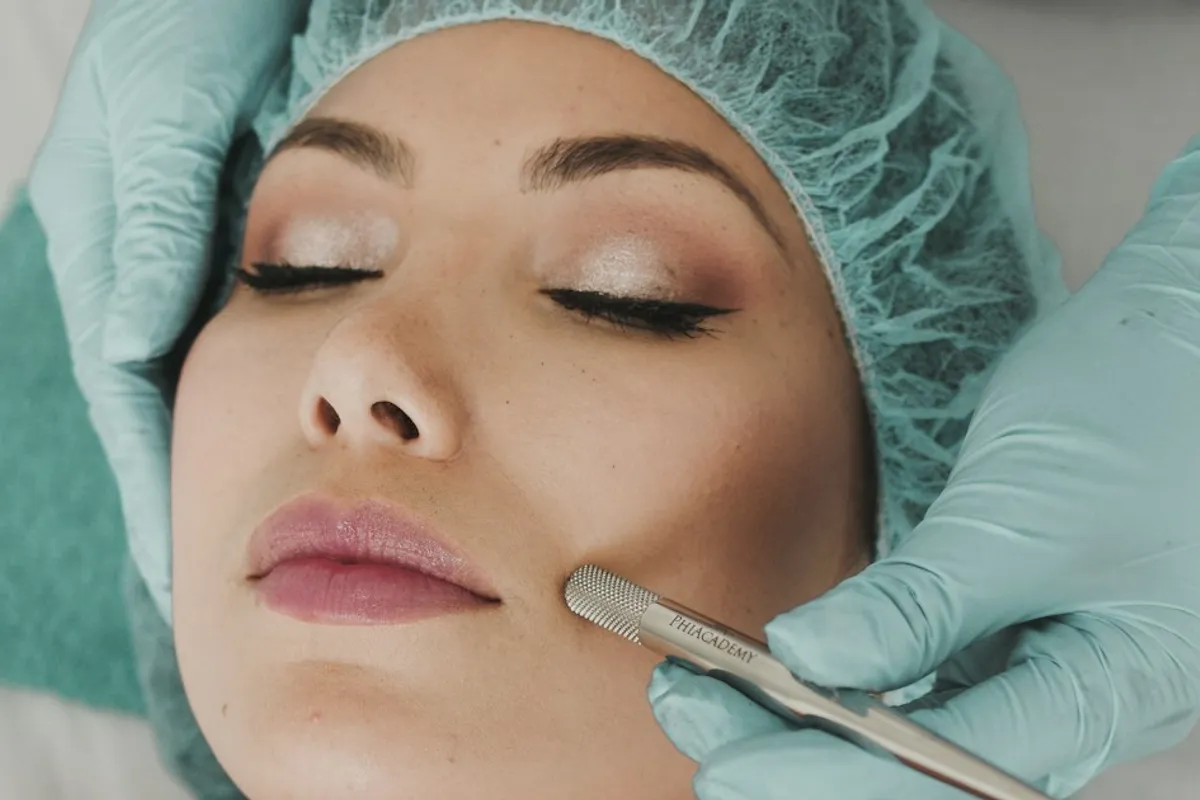
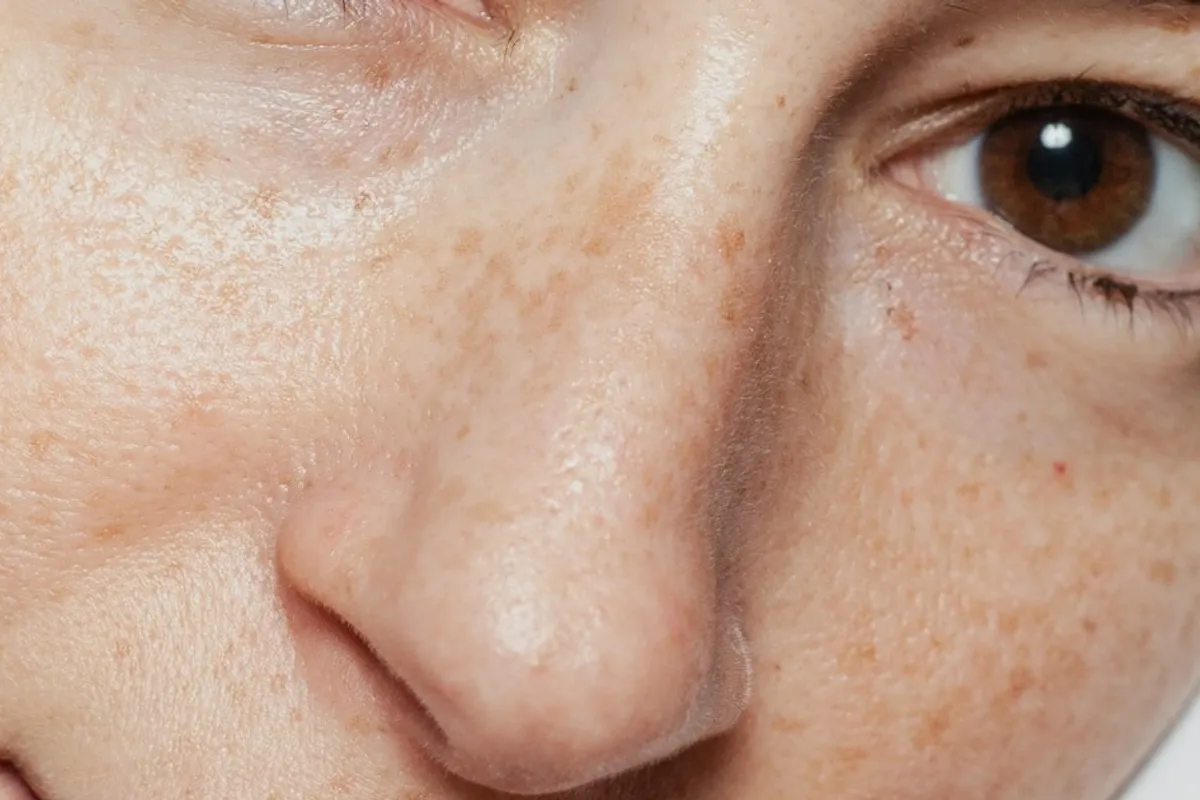
Adult acne involves the same follicular and inflammatory processes as acne at other ages. It is not automatically a separate disease or proof of a hormonal disorder. Hormonal changes, inherited susceptibility, some medicines and skin or hair products can contribute. Breakouts on the jaw alone do not establish a hormonal diagnosis.
History and skin care
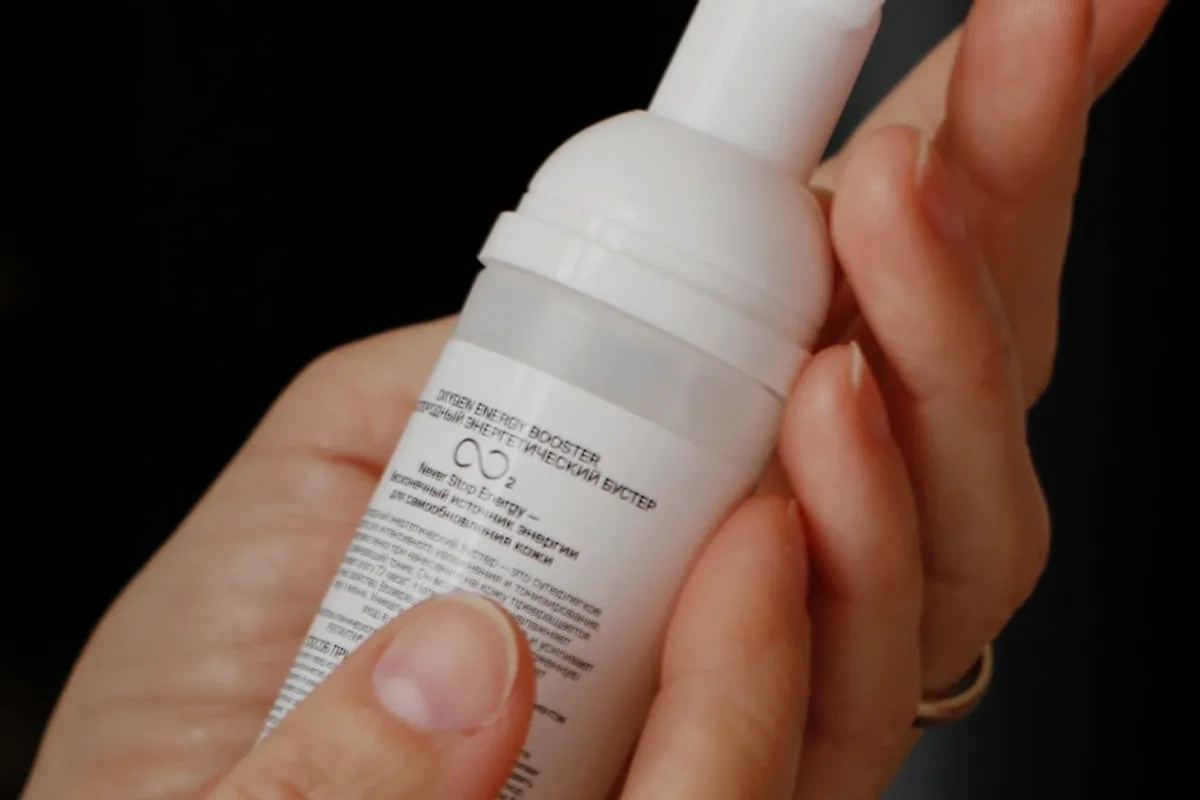
Track onset, previous treatments and any relationship to the menstrual cycle. Mention irregular periods or new increased hair growth. Tests may be appropriate when there are additional signs, but they are not necessary for everyone. Use gentle cleansing and a tolerable moisturiser. Avoid picking and frequent changes of active products.
Individual treatment
Options may include topical medicines or systemic treatment, depending on severity and other factors. Antibiotics, hormonal treatment and isotretinoin require medical assessment and follow-up. Tell the clinician about pregnancy, breastfeeding or pregnancy plans before choosing a treatment. Some acne medicines are unsuitable in these circumstances.
Follow-up and realistic expectations
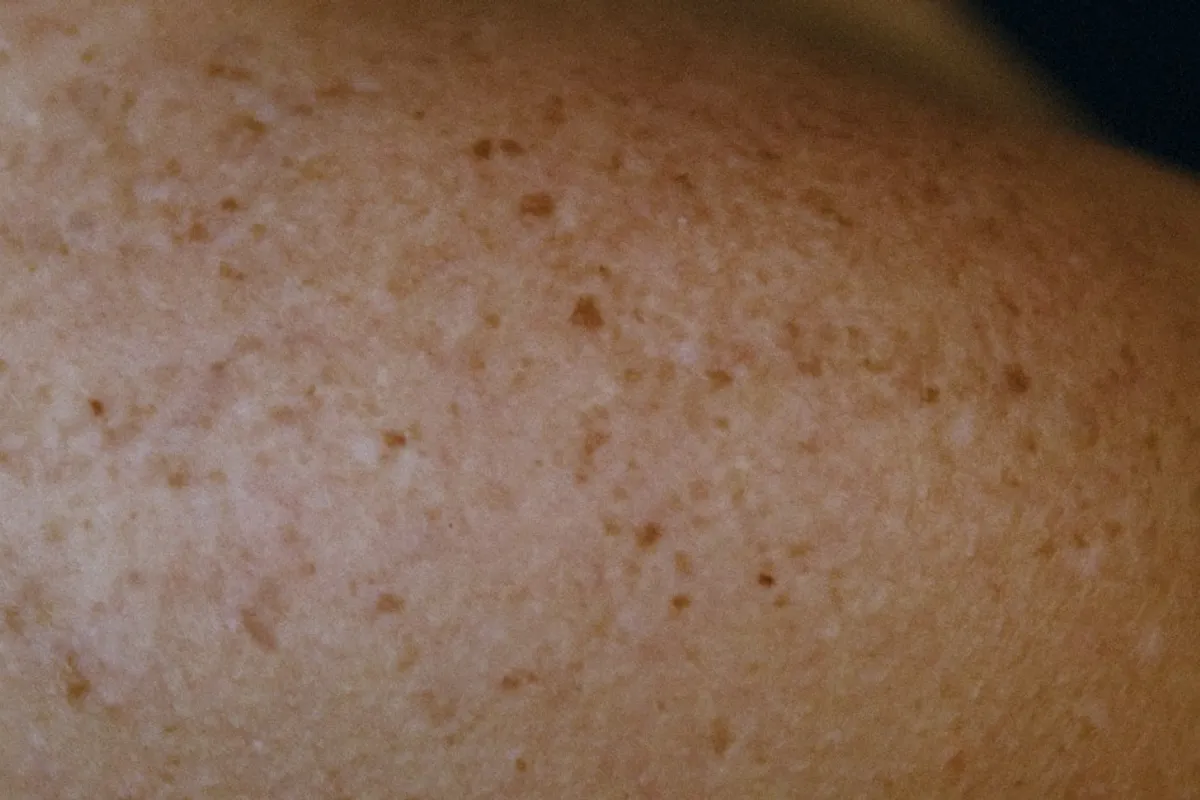
Painful nodules, scarring or significant distress are reasons to seek help. Improvement is usually assessed over weeks rather than days. Ask when to return and which reactions need earlier advice. Pigment marks and true scars are different problems. Control of active acne is generally considered before planning scar procedures.