Skip to content
СКDr. Stefany KraevskaDermatology & Venereology

8 min read

Sun Protection: What Six Months in Paris Changed

I worked for half a year in a clinic where skin cancers are part of the daily routine. I have looked at sunscreen differently ever since — and I want to tell you why.

СК

Dr. Stefany Kraevska

Dermatology & Venereology

Why this subject is personal to me

In 2024–2025 I spent six months at the dermatology department of Hôpital Avicenne in Paris. There, skin cancers are not an abstract textbook statistic — they are on the day's schedule: consultations, biopsies, follow-up.

The patients' stories were painfully similar: "I've worked outdoors all my life", "I burned every summer as a kid", "nobody used sunscreen in our day". None of them were careless people — nobody had simply told them in time. This article is my attempt to tell you in time.

What the sun does to skin — without melodrama

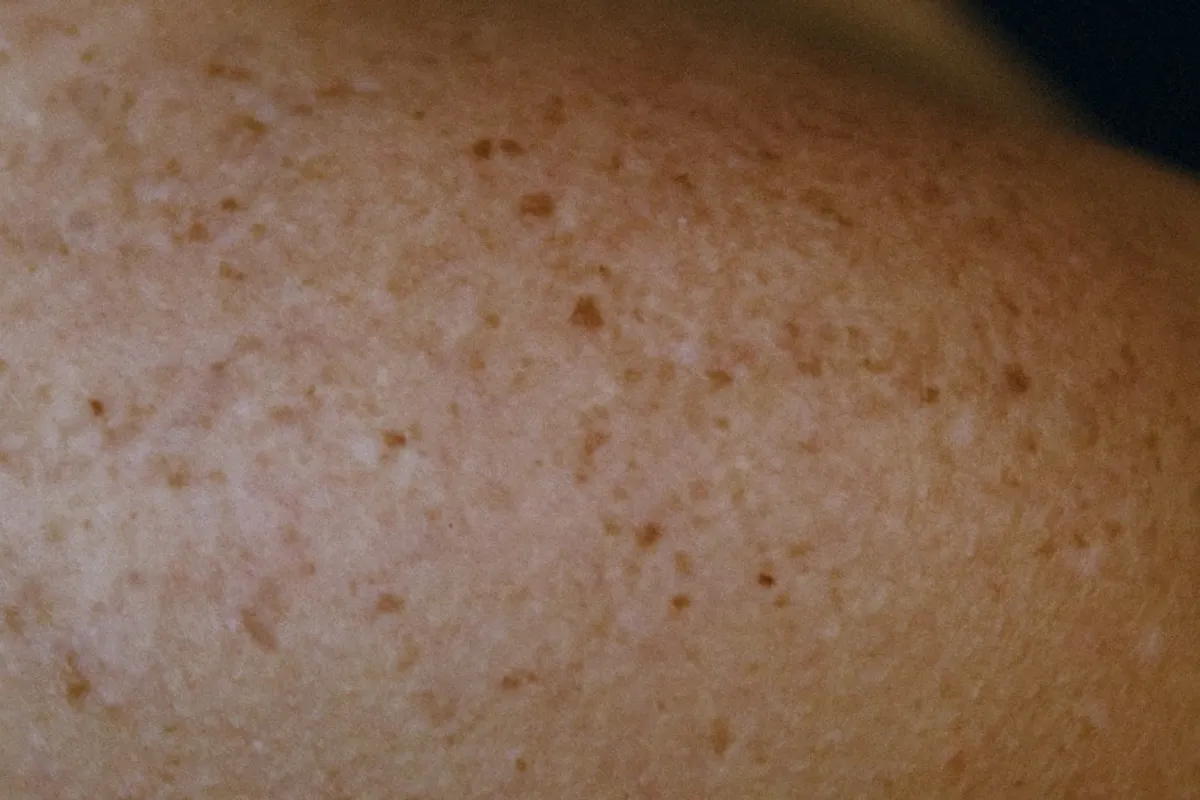
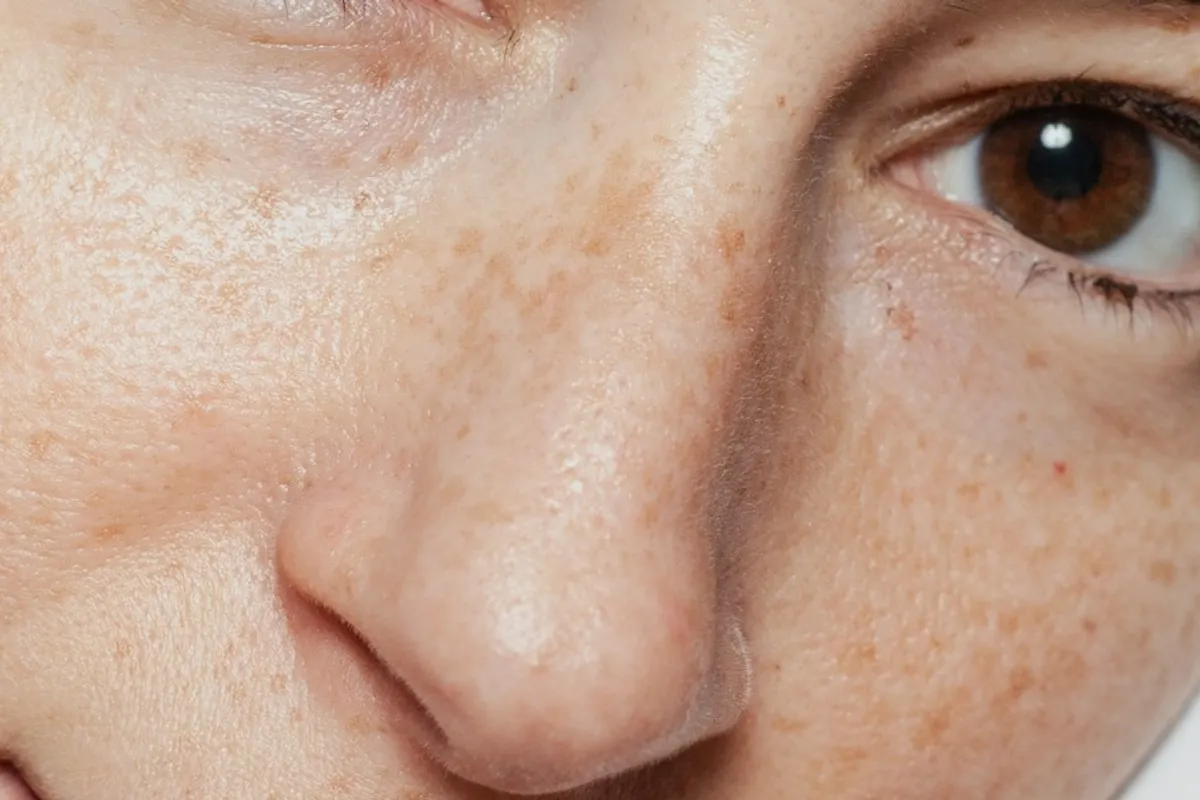
UV radiation damages the DNA of skin cells. Cells repair most of it themselves; some of it, however, accumulates over the years — and that accumulation is behind the two things we see in clinic: photoageing (spots, wrinkles, loss of elasticity) and skin cancers, whose main preventable risk factor is UV radiation.

Two details that surprise my patients: UVA rays pass through clouds and through window glass — including in your car and your office. And up to 80% of UV radiation reaches you on a cloudy day. "There's no sun today" is a feeling, not physics.

SPF numbers, translated from marketing

SPF measures protection against UVB — the rays that burn. SPF 30 lets through about 3% of them, SPF 50 about 2%. The difference looks cosmetic, but with daily use, year after year, it matters.

More important is what the number does not say: look for a 'broad spectrum' product — one that also covers UVA, the rays that age the skin and work silently, without burning. A high-SPF cream without UVA protection is an umbrella with holes in it.

The three mistakes I see every week

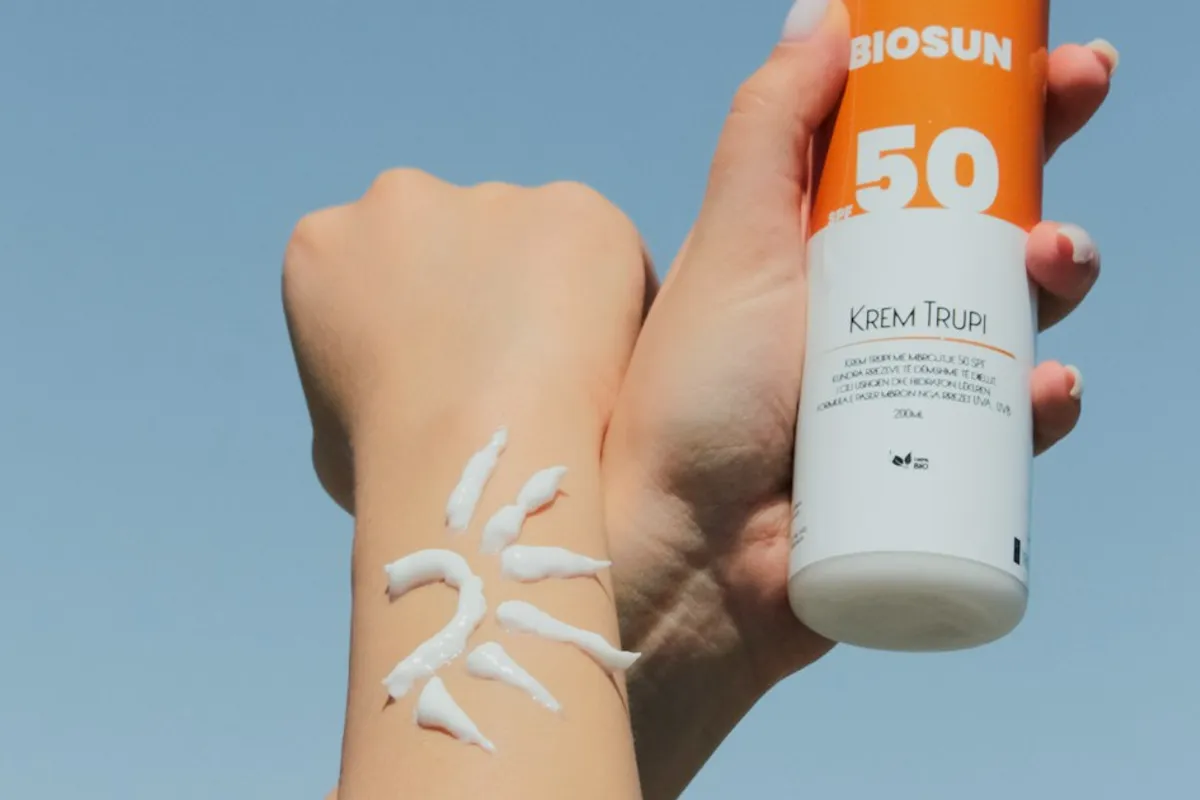
First: the amount. Face and neck need roughly two full finger-lengths of product — most people apply a third of that, and half a dose does not mean half the protection, but several times less.

Second: applying once in the morning before a full day outdoors. Protection needs renewing every two hours and immediately after swimming or heavy sweating. For an office day by the window, the morning layer is enough; on the beach, it is not.

Third: seasonal thinking. Sunscreen is not a summer accessory. March sun on a ski slope (snow reflects up to 80% of UV!) is more treacherous than the August seaside, because nobody suspects it.

"But I want a tan" — let's be honest

A tan is a defence reaction of damaged skin — there is no 'healthy tan' from the sun or a sunbed, however good it looks in the mirror. Sunbeds in particular are a firm 'no' from me: concentrated UVA of exactly the kind that ages skin and raises melanoma risk.

And vitamin D? It is synthesised even with short, incidental exposure; deliberate burning is not 'getting your vitamin', it is damage. If you are deficient, the answer is a blood test and a supplement guided by a doctor — not the beach without cream.

Choosing a product you will actually use

The best sunscreen is the one you will genuinely apply every morning. For oily skin — light fluids and gels that do not shine; for dry skin — creams with a moisturising base; for sensitive, reactive skin — mineral filters, which rarely irritate.

If you have a skin condition, if your skin reacts to sunscreens, or if you have simply given up three times already — come for a consultation. Choosing the right formula is a five-minute conversation that solves the problem for years ahead.

One simple promise

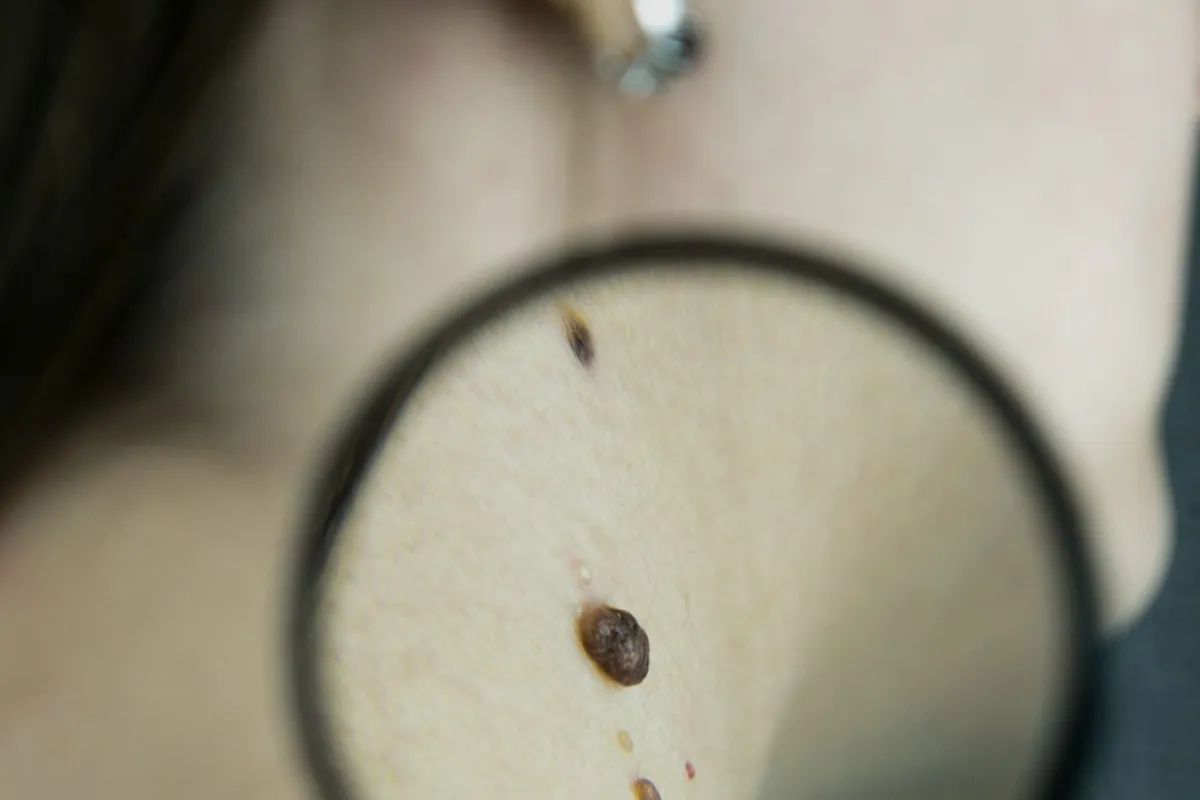
I cannot promise you that a cream will stop time. I can promise you this: your skin at 50 will thank you for the habit you built at 25. And if in the meantime you notice a mole that is changing — do not wait for the season, come in. The check is short, painless, and in the vast majority of cases ends with the finest sentence in dermatology: "Everything is fine."

Let's take care of your skin — together

BookCall