Look for a change, not just a daily count
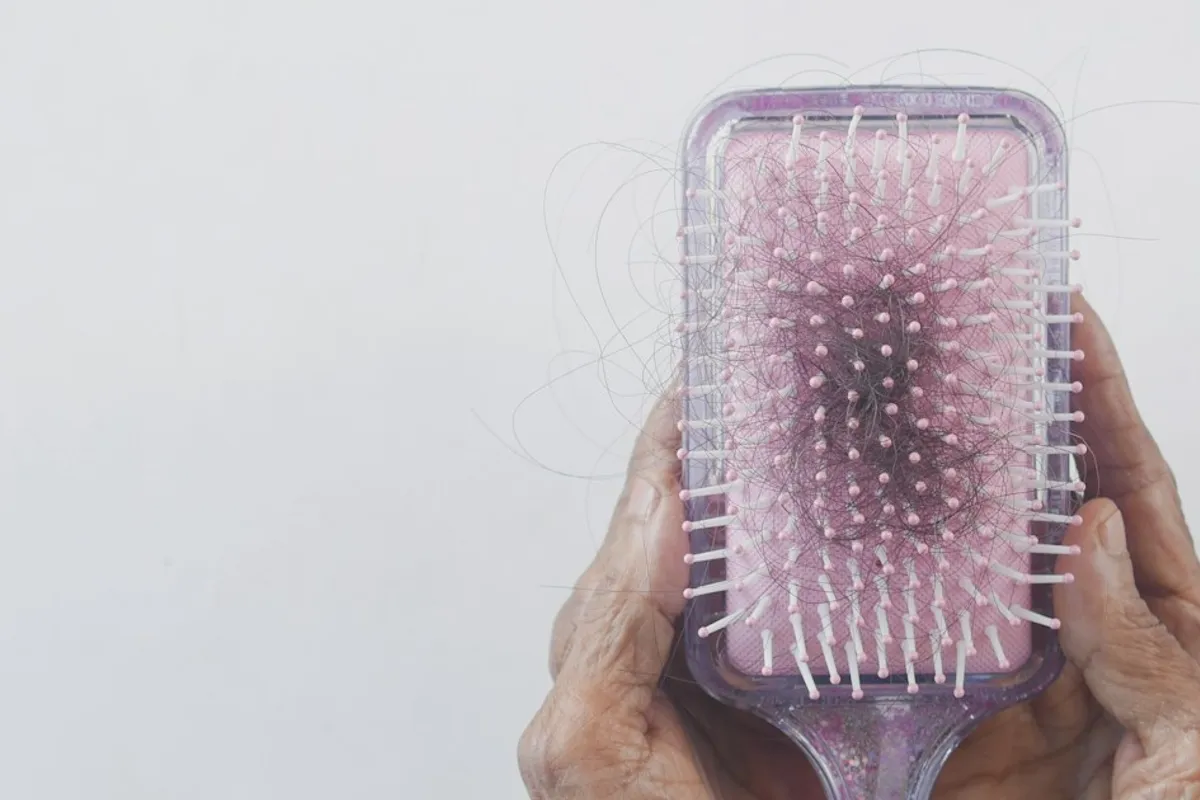
Hair grows and sheds in cycles. The number seen on a brush depends on washing, styling and hair length. A rough daily count cannot rule out a disorder. Watch for a widening part, receding hairline or bald patches and compare dated photographs under similar conditions. New shedding should not automatically be dismissed as seasonal.
Different causes need different care
Increased shedding can follow illness, surgery, childbirth or a major dietary change after a delay of months. Inherited thinning, alopecia areata, some medicines and inflammatory scalp disorders have different mechanisms. Recovery is not guaranteed in every form of hair loss.
What assessment involves
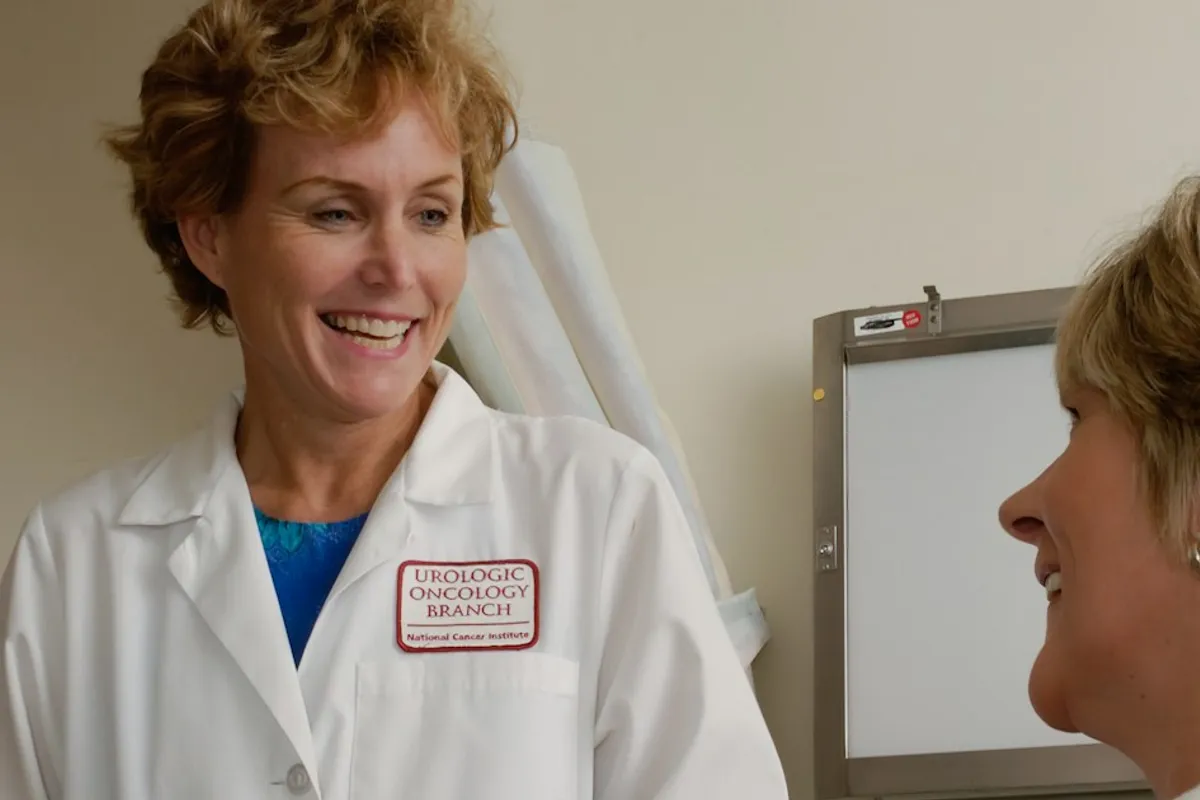
The clinician takes a history and examines the scalp and hair, sometimes with dermoscopy. Blood tests or a biopsy are used when there is a specific reason. Bring a list of medicines and supplements, family history and information about recent illness or weight changes. A normal blood count does not exclude all causes.
Until the appointment
Avoid tight hairstyles, rough handling and excessive heat. Do not stop prescribed medicines without advice. Iron and high-dose vitamins should not be started simply because hair is shedding. Seek assessment for rapid thinning, bald patches or scalp pain and inflammation. Results are followed over months and may involve slowing progression rather than full regrowth.