Skip to content
СКDr. Stefany KraevskaDermatology & Venereology

7 min read

7 Signs It Is Time to See a Dermatologist

The dermatoscope is my favourite instrument — a five-minute check can dissolve months of worry. Here is when those five minutes are truly worth it.

СК

Dr. Stefany Kraevska

Dermatology & Venereology

Before the list: why the early consultation is always the easier one

There is a sentence I hear far too often, and it quietly saddens me: "I meant to come six months ago, but I kept putting it off." I understand — life is busy, and skin 'doesn't hurt that much'. But almost everything in dermatology is treated more easily, faster and cheaper when caught early.

My dermatoscopy training and my work with skin cancers in Paris taught me a simple rule: suspicion is not a diagnosis — it is a reason for a five-minute check. Here are the seven signals where those five minutes are genuinely worth it.

1. A mole that is changing

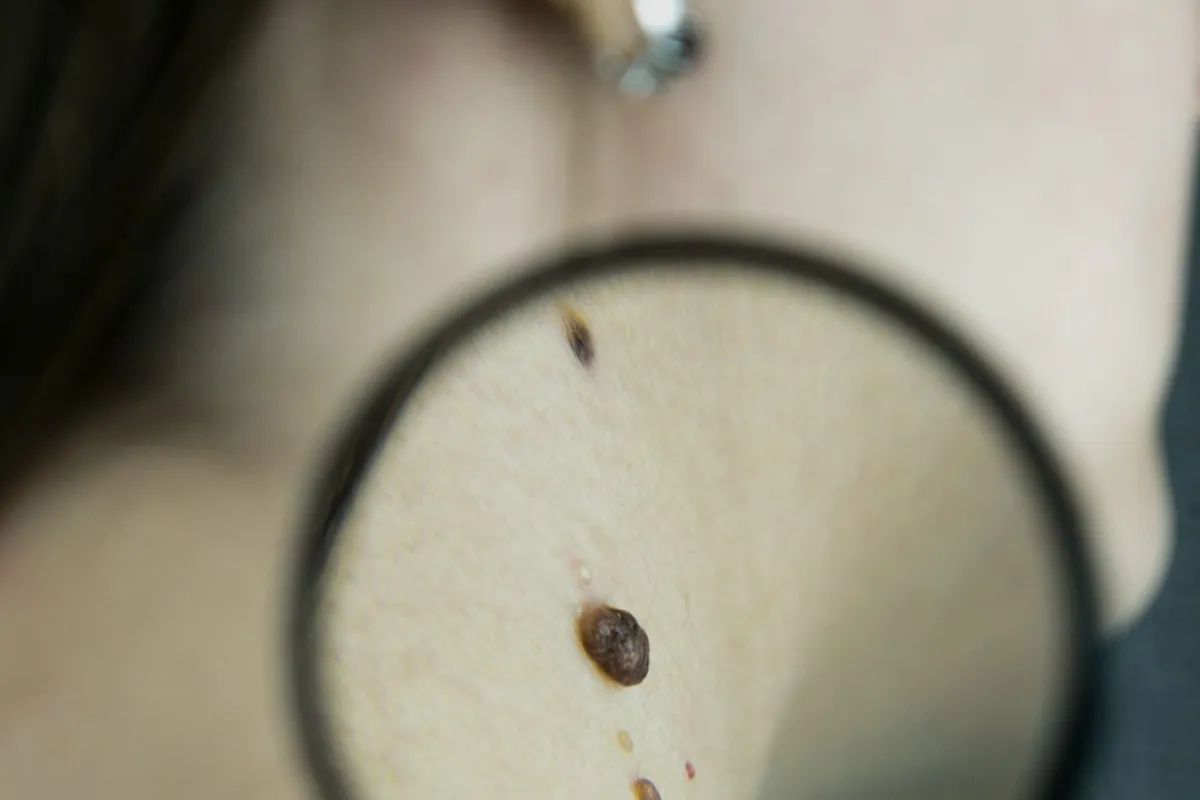
The ABCDE rule is a good compass: Asymmetry, uneven Borders, Colour change, Diameter over 6 mm, Evolution — change over time. The last letter matters most: a mole that grows, darkens, itches or bleeds deserves a check without delay.

The good news from practice: the overwhelming majority of moles I examine with a dermatoscope turn out to be completely benign. The check exists not to frighten you, but to turn 'what if…' into a clear answer.

2. A small wound that will not heal

Skin is a champion healer — an ordinary small wound closes within days to two weeks. A nodule or sore that persists for over a month, bleeds now and then, or crusts over without healing is a signal for a check — even if it does not hurt at all. Pay special attention to the places the sun has reached all your life: nose, ears, the scalp where hair has thinned.

3. Acne that pharmacy products cannot shift

Two or three months of quality pharmacy products with no result means it is time for a medical plan — not for one more product from the shelf. More urgent still: if the acne is leaving scars or dark marks. Scars are forever; active acne is treatable — the order of those two sentences is the whole point of an early consultation.

One observation from my consulting room: adult acne in women is a different disease from teenage acne and needs a different approach. If you are 30+ and 'suddenly' have breakouts along the jawline — you are not alone, and it is not your fault.

4. Itching or a rash that will not go away

Itching that lasts for weeks, wakes you at night or spreads is not 'just dry skin'. The range of causes is wide — from eczema and contact allergy to conditions that are not skin diseases at all. I am training in a department where we see what can hide behind an 'ordinary rash' — which is exactly why I dislike guesswork with borrowed corticosteroid creams from the family medicine cabinet. Diagnosis first, treatment second.

5. Hair loss that keeps getting worse

Up to around 100 hairs a day is normal, and seasonal shedding is natural. The worrying variants: patchy loss (smooth round areas), a visibly thinner ponytail, hair on the pillow every morning, or shedding combined with fatigue and other complaints.

Hair loss almost always has a findable cause — iron, thyroid, hormones, stress, medication. That is why we start with diagnostics rather than another 'miracle' shampoo. Shampoos do not fix what the blood test shows.

6. Facial redness that keeps deepening

Persistent redness, flushing episodes, small bumps and visible capillaries — this may be rosacea, and rosacea is most grateful for treatment in its early stages. I see too many patients who have spent years 'treating' it with aggressive anti-acne cosmetics — and worsening it. If your face flares from a glass of wine, a warm room or an emotion, talk to a dermatologist before changing yet another cream.

7. You have never had your skin checked

If your skin is fair, you burned as a child, you have many moles or a family history of skin cancer — one preventive check a year is the best five-minute investment I know. No special preparation, no pain, no waiting for a symptom.

Skin is our largest organ and the only one we look at every day. Learn to listen to it — and when you are not sure what it is telling you, I am here to translate together.

Let's take care of your skin — together

BookCall