What the barrier does
The outer skin layer limits water loss and contact with irritants. When its function is impaired, the skin may become dry, cracked and sensitive. Barrier care is useful in eczema, but “damaged barrier” is not a complete diagnosis. Burning, redness and scaling can also occur in contact dermatitis or other conditions.
Irritation and product choices
Hot water, repeated washing, friction and harsh detergents may aggravate symptoms. Fragrances or other ingredients can trigger reactions in susceptible people. Acids and retinoids are not always unsuitable, but dose, frequency and combinations matter. Do not use several new actives on already irritated skin.
Gentle daily steps
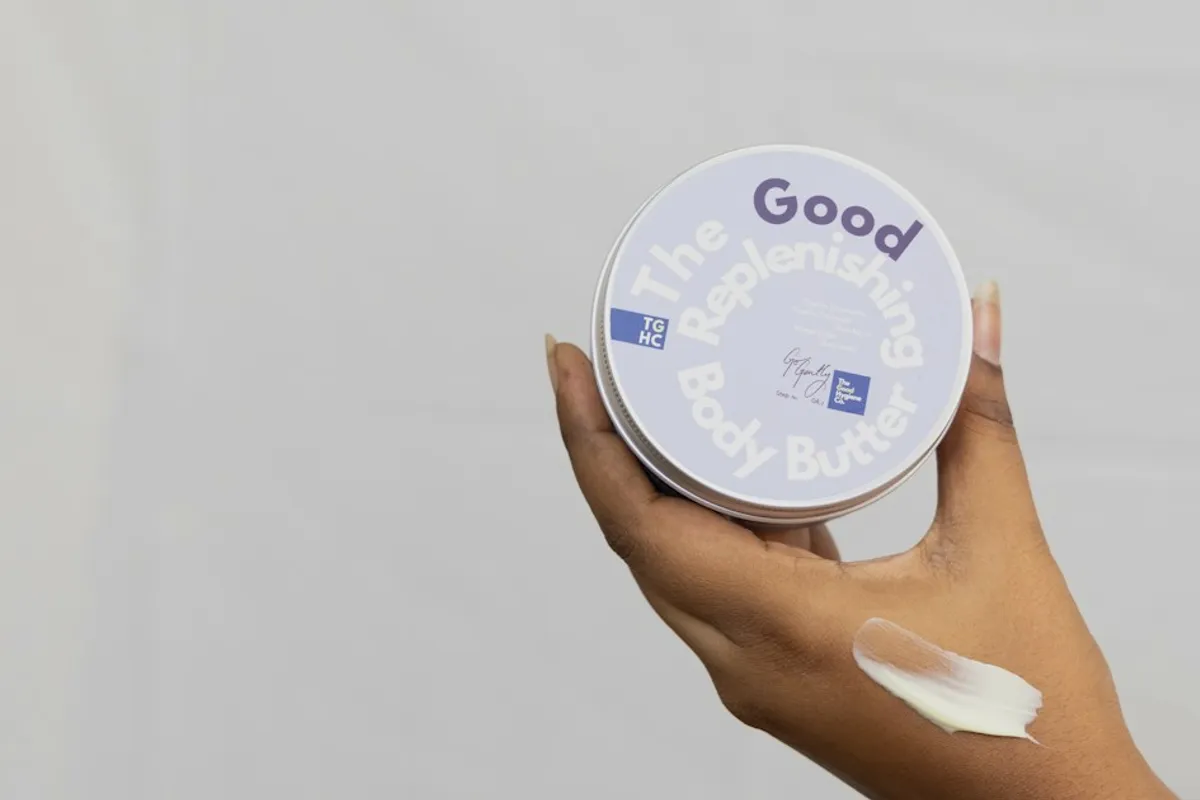
Wash gently with lukewarm water, pat dry and apply a tolerable fragrance-free cream or ointment. Regular moisturising after bathing is useful in eczema. Pause new irritating cosmetics, but discuss changes to prescribed medicines with your clinician. Inflammation sometimes needs treatment while barrier care continues.
When moisturiser is not enough
Persistent or recurrent rash, painful cracks, major itching or disturbed sleep deserve assessment. Increasing pain, discharge, spreading redness or fever need timely medical advice. There is no universal promise of recovery within a month. Keep a short product and symptom history and reintroduce necessary cosmetics gradually after the skin settles.