Different causes can look similar
Eczema can cause itching, dryness, scaling and cracks. Atopic dermatitis often follows a relapsing course and may accompany a personal or family history of asthma or hay fever. It is not contagious. Contact dermatitis results from an irritant or an allergic response to a substance touching the skin.
Repeated washing and wet work may contribute to irritation. Contact allergy can develop even to a product used for years. Appearance alone does not always distinguish the two mechanisms.
Bring details of exposures
Note when the rash started, where it appears and whether it interrupts sleep. Work, hobbies, gloves, jewellery, cleaning products and cosmetics can matter. Bring ingredient labels and names of treatments already tried.
If contact allergy is suspected, patch testing may be considered. It investigates selected contact allergens and differs from tests for immediate allergy. Not every rash needs testing; a negative result does not rule out irritation.
Support the skin and follow the treatment plan
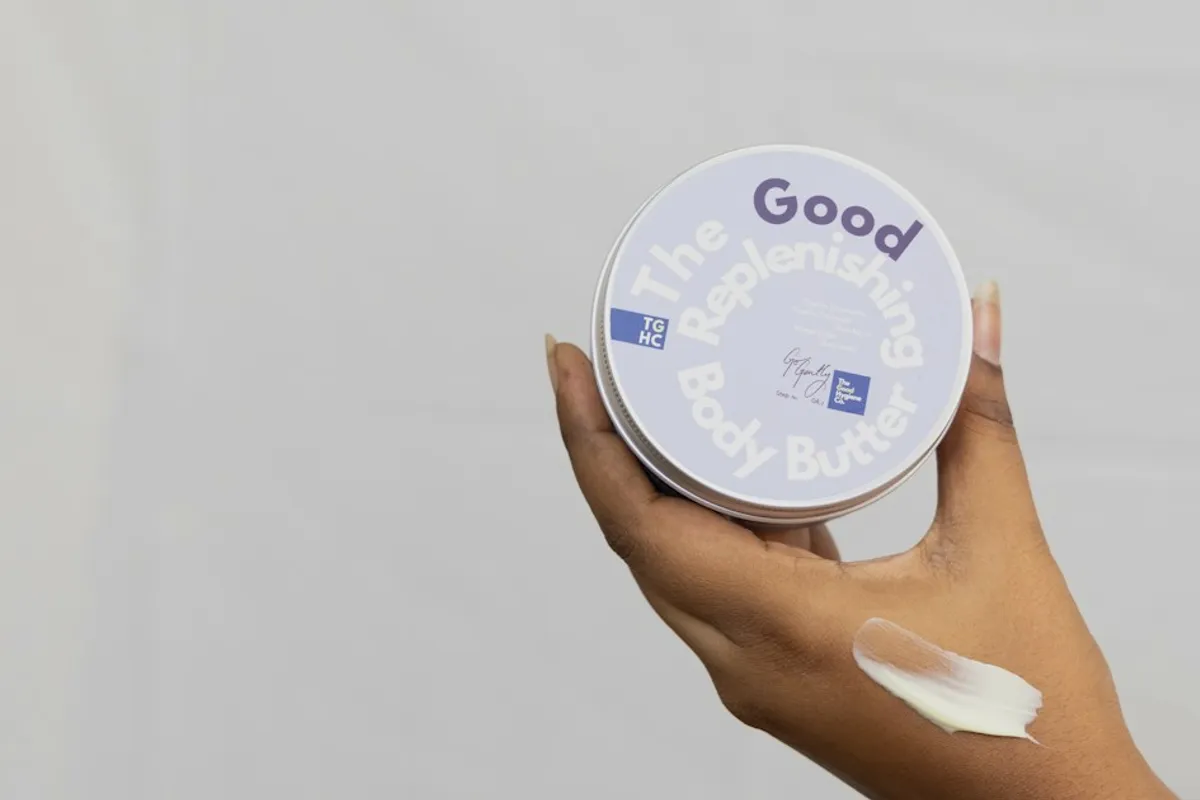
Keep washing brief and use lukewarm water. Apply a suitable fragrance-free emollient regularly, including during calmer periods. Avoid harsh rubbing and discuss protection during wet work. Moisturising alone may not control active inflammation.
Use prescribed anti-inflammatory treatment for the stated location and duration. Do not extend or change it yourself, especially for the face, skin folds or children.
When to seek prompt care
Increasing pain, warmth, swelling, pus, fluid leakage or rapid spread can indicate a complication. Fever, feeling unwell or sudden painful blisters warrants same-day assessment. Seek emergency care for severe illness.
Arrange follow-up if symptoms persist or disturb sleep. Do not remove food groups without medical advice, particularly for children. The next step depends on the type and severity of dermatitis.