Recurring facial redness
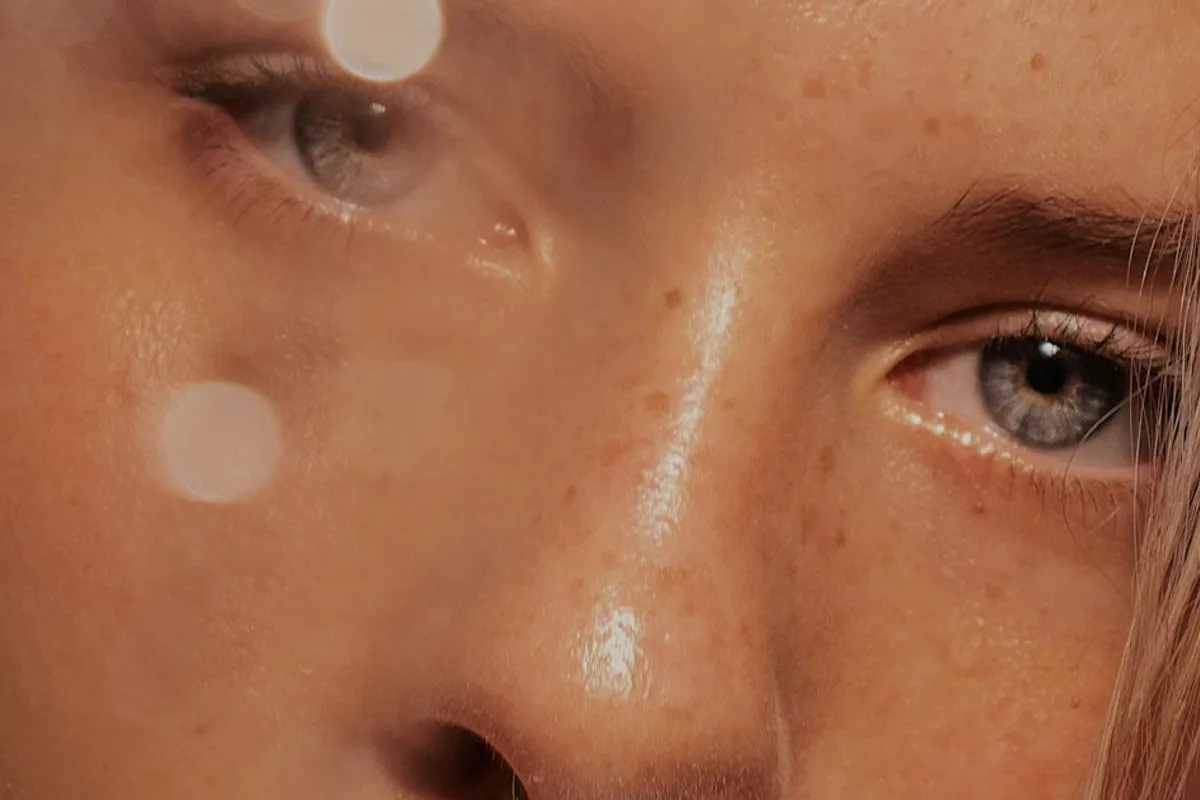
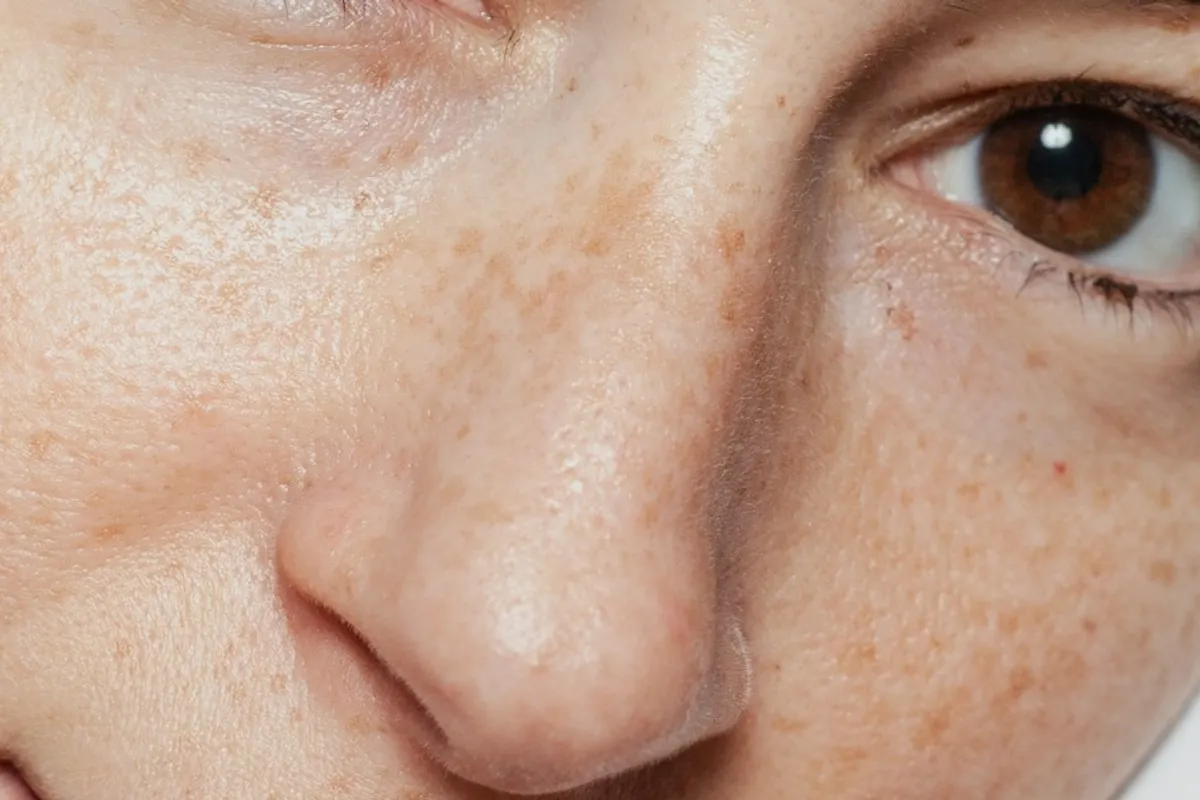
Flushing alone does not establish a diagnosis. Persistent central facial redness, visible vessels, burning or inflamed bumps may justify an examination. Changes can be less obvious in darker skin. Rosacea can resemble acne or irritation, so treatment should follow an assessment.
Track your own triggers
Sunlight, heat, cold, hot drinks, alcohol and spicy food can provoke symptoms in some people. You do not need to avoid every possible trigger in advance. Keep a short diary of flare-ups, products and exposures; photographs can help show an episode that has settled by your appointment.
Keep care gentle
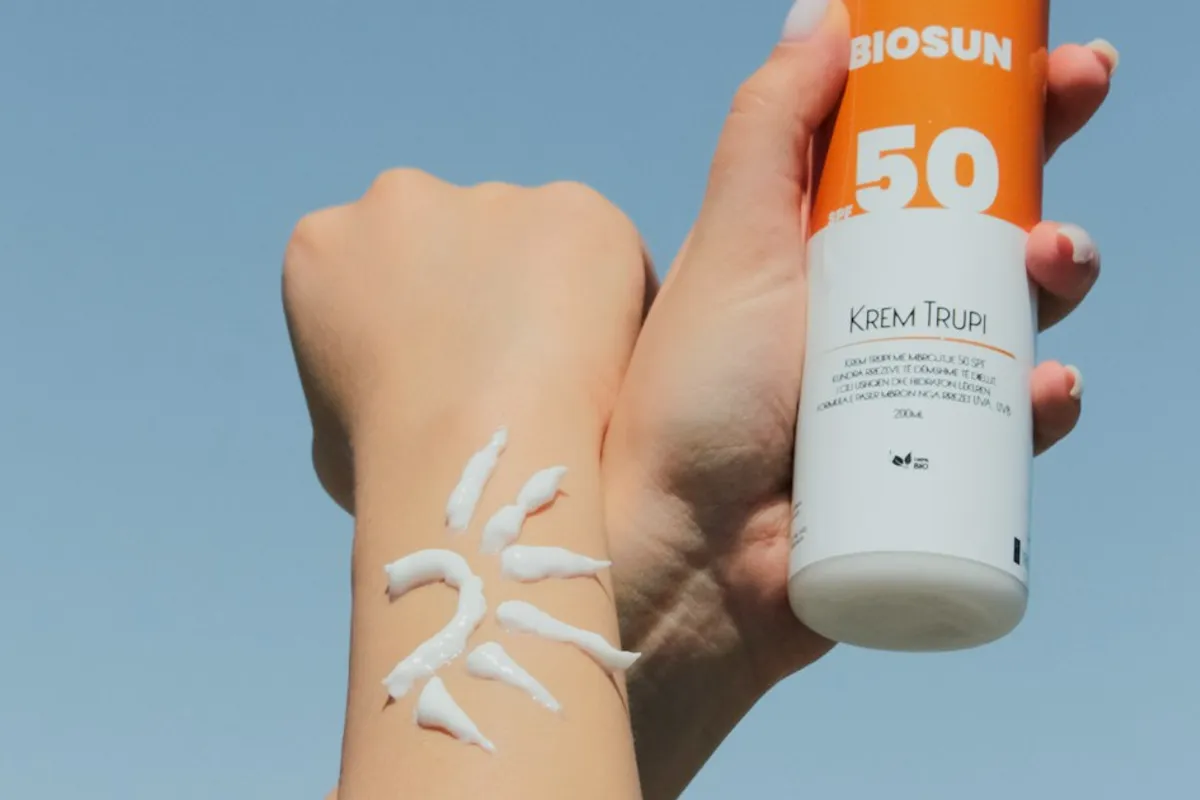
Use lukewarm water and a mild cleanser, without scrubbing. A fragrance-free moisturiser and broad-spectrum SPF 30 or higher are useful basics when tolerated. Introduce one product at a time. Stop a cosmetic that causes persistent burning or worsening and discuss the reaction.
Do not start a steroid cream on your face without medical advice. It can worsen the condition and make the assessment more difficult.
Treatment depends on the symptoms
Options may include topical or oral medicines and selected procedures for redness and vessels. Laser treatment has risks and is not suitable for every symptom or skin type. Discuss realistic goals, when to review progress and what to do during a flare. Ongoing control is more realistic than a promise of permanent cure after one procedure.
Mention eye symptoms
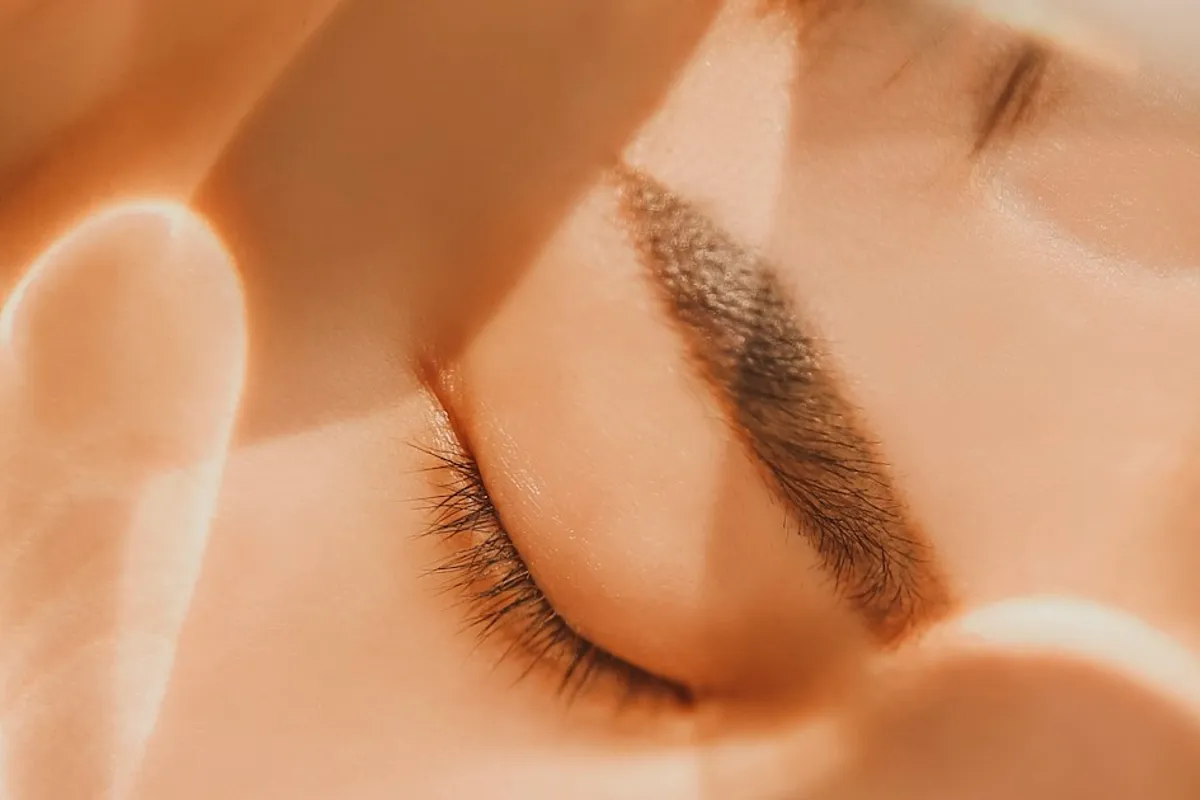
Dry, gritty or red eyes and irritated eyelids may accompany rosacea and can require an eye examination. Eye pain, light sensitivity or a change in vision needs urgent assessment rather than waiting for a routine skin appointment.