What warts are
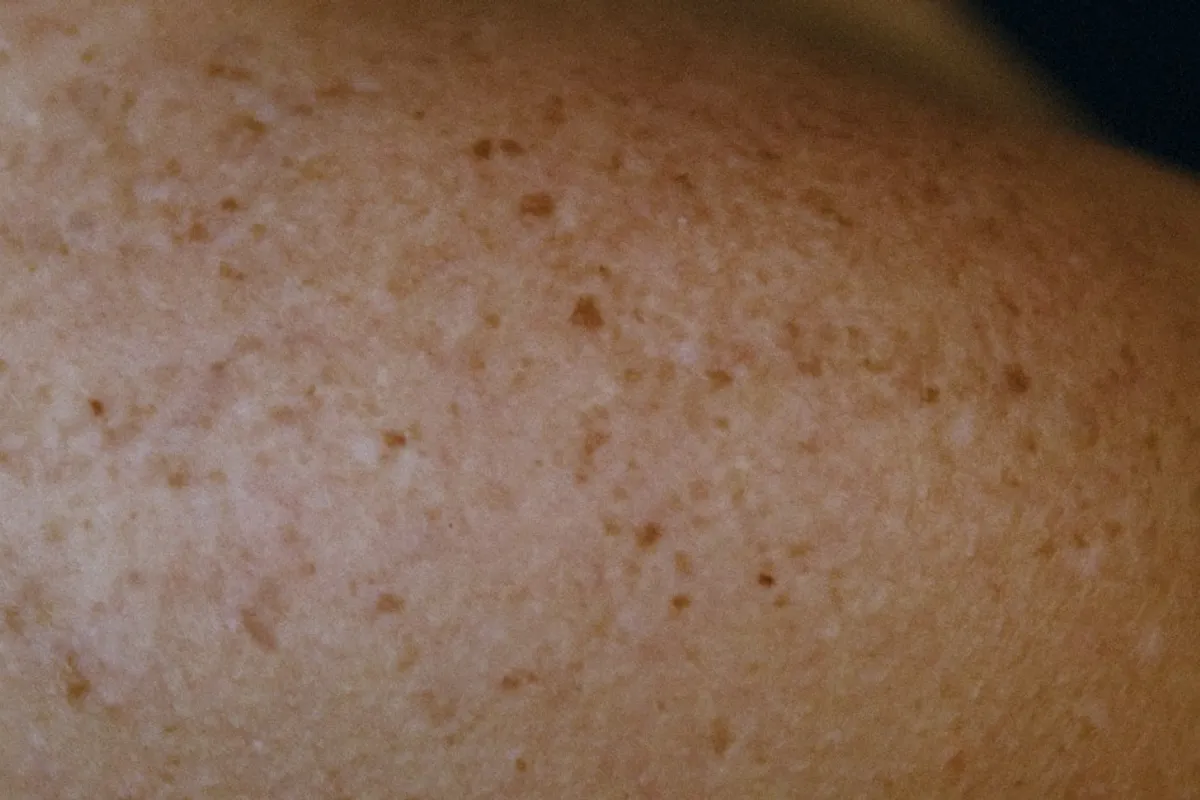
Warts are small, hard, rough growths on the skin. They are caused by the human papillomavirus (HPV). They most often appear on the fingers, palms, knees and feet. They are usually skin-coloured, but on darker skin they can be darker. Flat warts are small and smooth and often appear in large numbers. Warts on the soles of the feet (verrucas) are pressed into the skin, often have tiny black dots and can hurt when you walk.
Warts are not dangerous and are especially common in school-age children. In people with a weakened immune system, for example because of medicines taken after a transplant, they are more persistent and come back more often.
How warts spread
The virus spreads through close skin contact or through contaminated surfaces, such as the floors of swimming pools and changing rooms. Damp or damaged skin is infected more easily. A wart can appear months after contact, so it is often unclear where it came from. It can also spread to another part of your own body.
To avoid spreading it: wash your hands after touching the wart; do not pick or bite it; do not share towels, socks or shoes; cover it with a plaster at the swimming pool and wear flip-flops in shared showers; take care not to cut it when shaving.
Do warts need treatment?
Many warts go away on their own. In children, about half disappear within six months and most within two years. In adults they usually last longer. Treatment makes sense if a wart hurts, gets in the way, keeps coming back or bothers you.
No single method works for everyone, so it takes persistence and often more than one treatment.
Treatment options
Pharmacies sell wart treatments, most often containing salicylic acid. They are applied regularly for weeks, sometimes for up to three months, can irritate the skin and do not always work. Do not use them on the face or genitals.
Cryotherapy means freezing the wart with liquid nitrogen. A scab or blister forms on the treated area and usually heals in about a week. Most people need more than one session, usually every 2–4 weeks. The procedure is quick but uncomfortable; it can leave lighter or darker patches and, less often, a scar. Which method suits you is decided after an examination.
When to get them checked
Book an appointment if you are not sure the growth is a wart; if the wart changes, hurts, itches or bleeds; if you have many warts or they come back after home treatment; if it is on your face; or if your immune system is weakened. In adults, some growths that look like warts turn out to be seborrhoeic keratoses, corns or, less often, a skin tumour, so a doctor should assess what they are.
Genital warts are a separate problem. They are sexually transmitted and need a medical examination. Do not treat them with pharmacy products meant for the hands and feet.
Sources and further reading
Consultations in Sofia
Dr. Kraevska sees patients at the Dermatologicum clinic in Strelbishte, Sofia, Monday–Friday 14:00–18:00, in English, French, Spanish and Bulgarian.