What psoriasis is
Psoriasis is a common long-term skin condition. The skin produces new cells faster than usual, and raised, scaly plaques appear. The cause is thought to be linked to the immune system. Psoriasis is more common in people with a family history of it. It is not contagious and cannot be caught by touch or in a swimming pool.
Psoriasis can start at any age, but it often appears between the ages of 15 and 25 or between 50 and 60. It comes and goes, with flare-ups and periods of improvement. It cannot be cured completely, but treatment helps keep the symptoms under control.
What it looks like
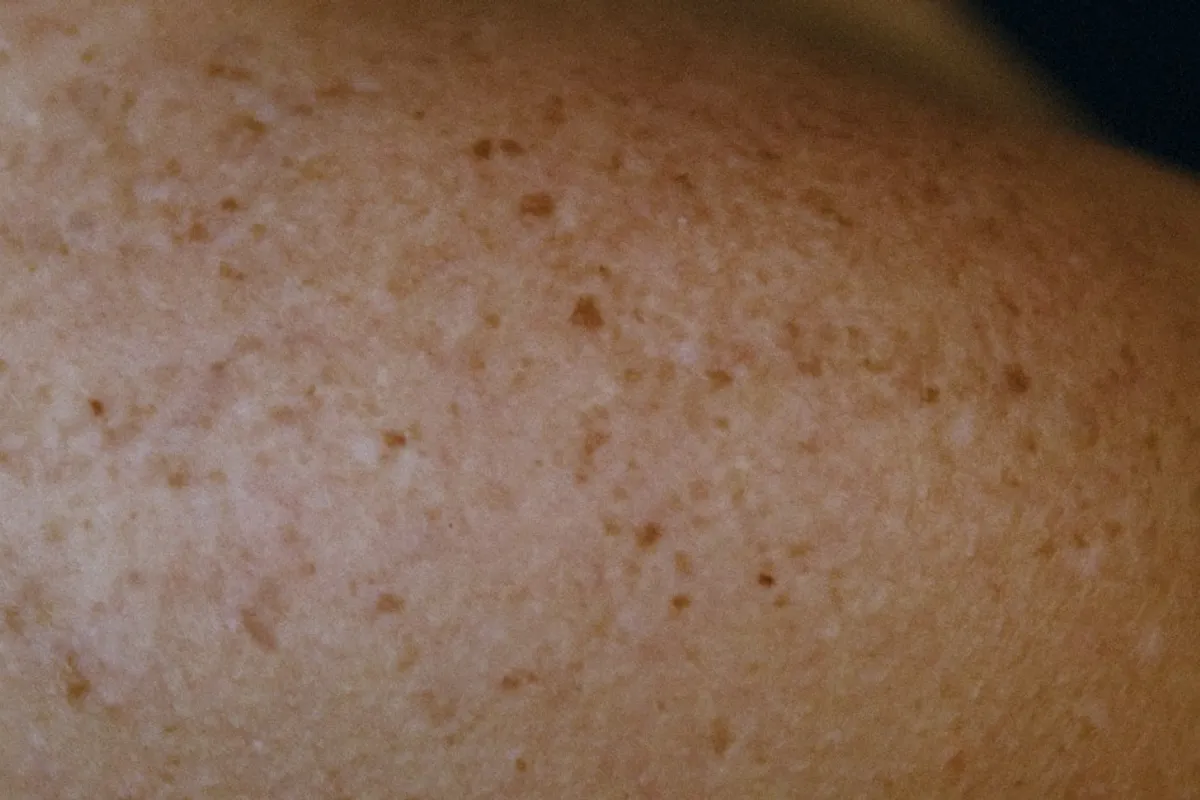
The most common form is plaque psoriasis: dry, itchy or sore skin with whitish scales. On lighter skin the plaques are pink or red; on darker skin they may look grey and can leave dark patches once they clear. Common places are the elbows, knees, scalp, the skin behind the ears, the back and the buttocks.
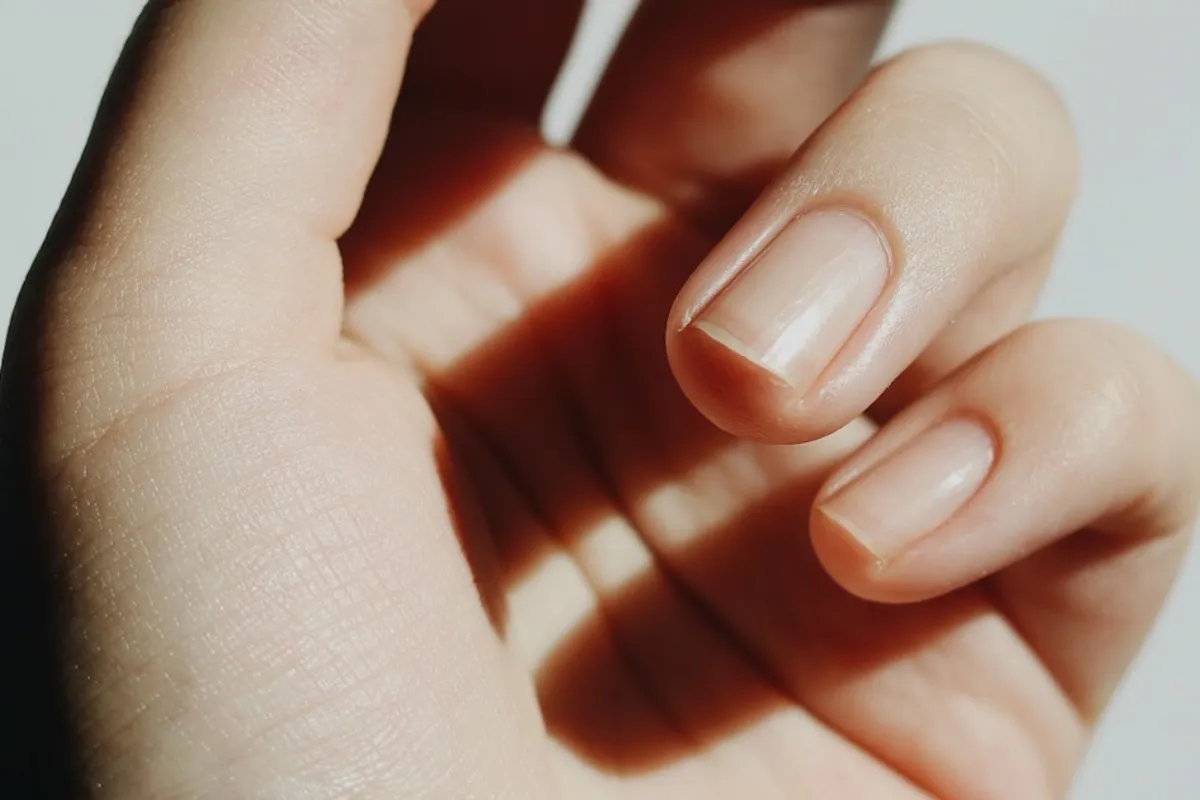
Psoriasis can also affect skin folds and the nails. Nail changes include small pits, thickening, discolouration or the nail coming away from the nail bed. Other conditions, such as a fungal infection, can cause similar changes, so the diagnosis is made after an examination.
What can trigger a flare-up
In some people psoriasis gets worse with stress, alcohol, smoking, excess weight, pregnancy, certain medicines, infections (such as a strep throat) and skin injuries such as cuts and scratches. These factors do not cause the condition; they can set off a flare-up.
Tell your doctor which medicines you take. Do not stop a medicine prescribed by another doctor without discussing it with them first.
Joints and general health
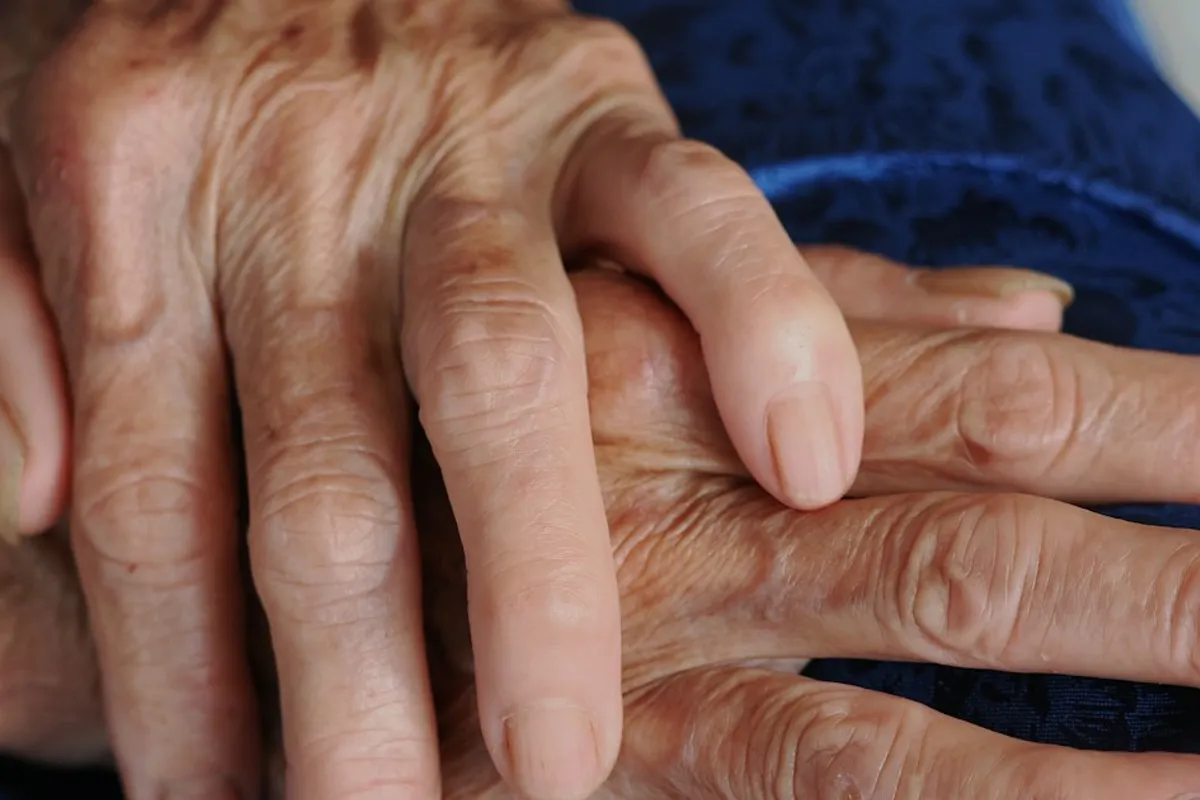
Some people with psoriasis develop psoriatic arthritis: pain, swelling and stiffness in one or more joints, often worse in the morning, as well as swelling of whole fingers or toes. If you have symptoms like these, mention them at your appointment. Joints are assessed by a rheumatologist.
Psoriasis is also linked to a higher risk of some other conditions, such as metabolic syndrome, diabetes and cardiovascular disease, so it is a good idea for your GP to know that you have it. If the condition is weighing on you emotionally, that is also a reason to talk to a doctor.
How it is diagnosed and treated
The diagnosis is usually made by examining the skin, scalp and nails. When the picture is not typical, a biopsy is sometimes needed.
Treatment depends on the type of psoriasis, how severe it is and where the plaques are. Milder forms are treated with products applied to the skin: moisturisers (emollients), vitamin D creams, corticosteroids and others. For more severe forms, light therapy (phototherapy) and medicines taken by mouth or by injection, which need monitoring, are considered. Several methods are often combined. If you are pregnant or planning a pregnancy, say so, because some medicines are not suitable.
When to book an appointment and when it is urgent
Book an appointment if you have scaly plaques that do not go away, nail changes or joint pain, or if your current treatment is not helping or is causing side effects.
Call 112 for emergency help if you have psoriasis and your skin quickly turns red over large areas and pus-filled spots appear and merge, especially with a fever, chills or a fast heartbeat. This can be a sign of a more severe form of the condition or of an infection.
Sources and further reading
Consultations in Sofia
Dr. Kraevska sees patients at the Dermatologicum clinic in Strelbishte, Sofia, Monday–Friday 14:00–18:00, in English, French, Spanish and Bulgarian.